As temperatures drop and the chill of winter creeps in, the last thing any homeowner wants is a furnace failure. But without regular maintenance, that’s exactly what can happen.The efficiency and longevity of your heating system begins with consistent care and timely inspections. Ignoring this essential task can decrease efficiency, increase energy bills, and even unexpected system breakdowns. Understanding the signs your furnace needs a tune-up before it gives out completely can save you from discomfort, costly repairs, and long, cold nights.
This comprehensive guide explores how furnaces work, the different types and their maintenance needs, and the clear indicators that your system requires attention.
Understanding Your Furnace: How It Works and Why It Matters
A furnace working tirelessly to distribute warmth is at the heart of every cozy home. While it may seem like a simple machine, a furnace is a complex system of interconnected parts that must all function harmoniously.
A typical furnace operates by igniting fuel or using electricity to produce heat. That heat travels through a network of ducts, so every room reaches the desired temperature. The process might sound straightforward, but crucial components like burners, heat exchangers, blowers, and filters are behind the scenes. Each of these elements plays a key role in efficient heating and, when neglected, can become the source of system inefficiencies or failures.
Understanding basic furnace operation helps homeowners recognize early signs that their furnace needs a tune-up.
Types of Furnaces and Their Maintenance Needs
Not all furnaces are created equal, and their maintenance needs differ depending on their fuel source and design.
Gas Furnaces: These are among the most common systems. They require routine inspections of burners, heat exchangers, and ventilation systems. Proper maintenance prevents dangerous carbon monoxide leaks and ensures safe operation.
Electric Furnaces: Electric models rely on heating elements and precise electrical connections. Regular inspections help detect faulty wiring or worn components before they lead to system inefficiency.
Oil Furnaces demand more frequent upkeep, especially filter replacements and burner inspections. Neglecting these can lead to soot buildup, blockages, and reduced performance.
No matter the type, every system benefits from routine servicing. To keep your system in optimal condition, recognize the signs that your furnace needs a tune-up as soon as possible.
Warning Signs Your Furnace Needs a Tune-up
As colder days approach, furnaces are expected to work harder and longer. Still, many homeowners overlook the subtle signals that something may be wrong. Referencing Murphy’s Law, if something can go wrong, it often will, especially when you need your furnace most. Here’s what to watch for before your heating system gives out completely.
1. A Sudden Increase in Energy Bills
A noticeable spike in energy costs is one of the earliest signs that your furnace needs a tune-up. If your utility bills have surged compared to last year, your furnace might be losing efficiency even with similar usage.
When dust, debris, or worn components force the system to work harder, it consumes more energy to produce the same amount of heat. A professional inspection can identify the cause, whether a clogged filter, malfunctioning thermostat, or worn blower motor, and restore your furnace’s efficiency. Regular tune-ups not only reduce costs but also prolong the life of your system.
2. The Date of Your Last Service Is a Mystery
If you can’t recall the last time your furnace was serviced, that’s a red flag. A well-maintained heating system should undergo professional inspection at least once a year, ideally before winter begins.
Scheduling regular tune-ups prepares your furnace for the heavy workload ahead.
These service appointments typically include:
- Annual tune-ups
- Troubleshooting common issues
- Emergency repairs
Being proactive ensures minor issues don’t turn into major malfunctions. Regular maintenance is more than a chore; it’s an investment in comfort and reliability.
3. A Yellow Pilot Light
Your furnace’s pilot light tells you a lot about its health. Usually, it should burn a steady, bright blue flame. If it appears yellow, it could signal the presence of carbon monoxide, a dangerous and potentially deadly gas.
This is one of the most critical signs your furnace needs a tune-up. A yellow flame often indicates incomplete combustion or improper ventilation. Never ignore this warning; contact a qualified technician immediately to inspect and repair the issue. Ensuring the pilot light burns blue again means your system operates safely and efficiently.
4. Excess Dust Near Furnace Vents
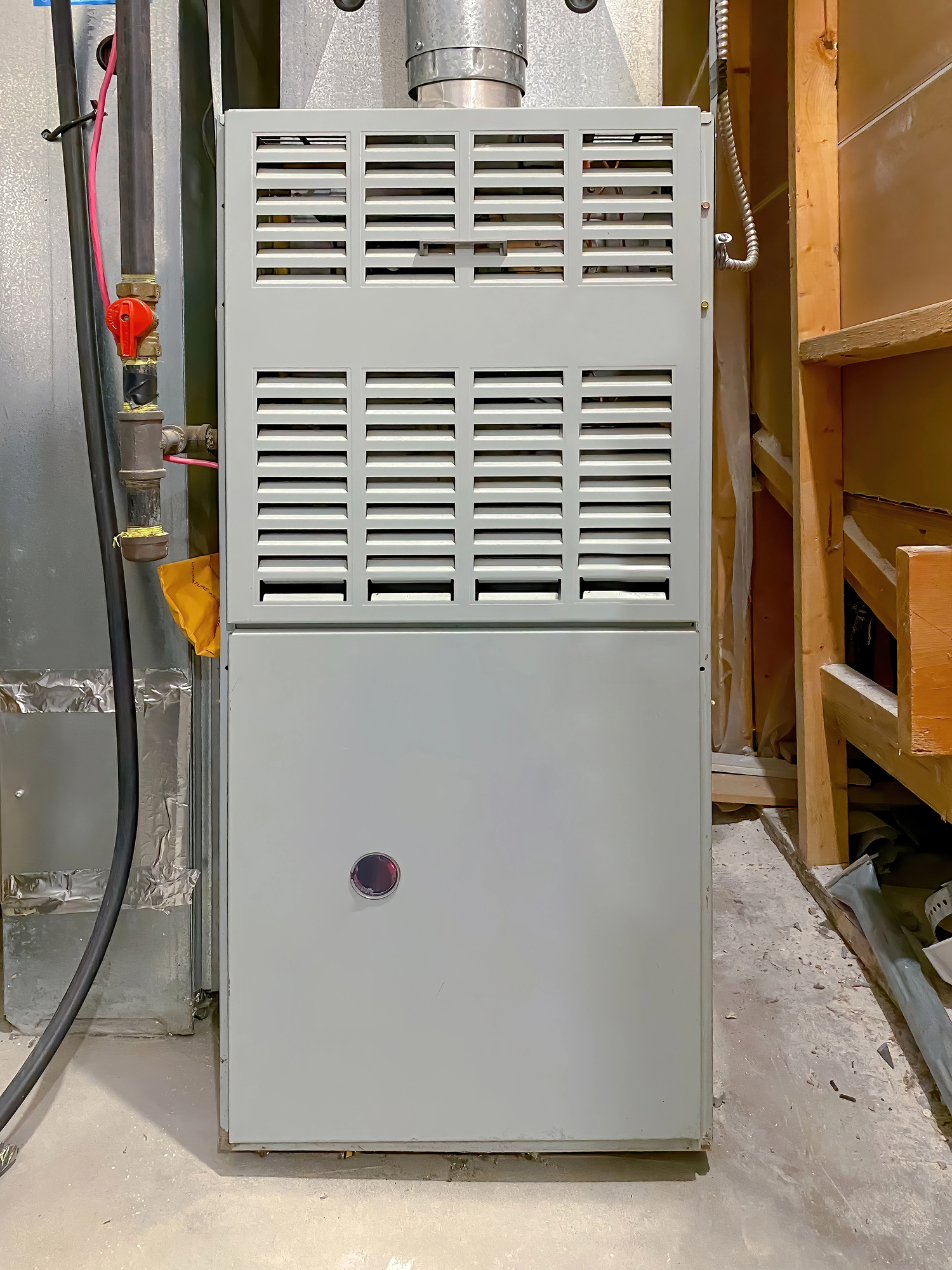
When dust starts collecting around your vents, it’s not just an aesthetic issue; it’s a signal that your furnace may need cleaning or new filters. Filters play a crucial role in maintaining indoor air quality by trapping dust and debris before circulating through your home.
If filters are overdue for replacement, your furnace works harder to push air through clogged barriers, reducing efficiency and straining the system. Replacing filters every few months helps prevent this buildup and keeps your air clean and healthy. This simple step can dramatically reduce wear and tear, helping you avoid larger problems.
5. Your Furnace Looks Old or Worn Out
Sometimes, the condition of your furnace speaks volumes. If it looks dated, rusted, or tired, it’s time to schedule a tune-up or replacement. Most furnaces have a lifespan of 15–20 years.
If yours was installed decades ago, chances are it’s operating below peak performance. An aging system is more prone to breakdowns, inefficiency, and safety risks. An experienced HVAC technician can assess whether your unit needs a tune-up to restore function or whether it’s time to consider an upgrade.
With advancements in modern systems, today’s furnaces are quieter, more energy-efficient, and environmentally friendly.
6. Strange Noises Coming From the Furnace
While furnaces make some noise during operation, unusual sounds like pops, squeaks, or rattles shouldn’t be ignored. These noises often indicate loose parts, worn belts, or airflow obstructions.
Addressing this promptly can prevent further damage. Often, a professional tune-up involves tightening components, lubricating moving parts, and ensuring the system runs smoothly. Listening to your furnace is one of the easiest ways to identify when maintenance is due.
7. Your Home Takes Forever to Warm Up
It might struggle if your furnace takes longer than usual to reach a comfortable temperature. This could mean clogged filters, poor airflow, or a failing blower motor.
Check your recent energy bills. If they’ve risen while your comfort has declined, efficiency issues are likely at play. When your furnace isn’t making strange noises, lagging performance can signal internal problems. A professional tune-up can restore balance, so that your home heats evenly and efficiently.
Additional Indicators: Signs Your Furnace Needs a Tune-Up
Beyond these seven main issues, here are a few other areas your furnace needs a tune-up:
Old Thermostat Batteries
Sometimes, the problem isn’t with the furnace itself. If your system doesn’t start, check your thermostat batteries. Dead batteries can prevent the furnace from receiving commands. Replacing them might be all that’s needed, but if the issue persists, it’s time to call for service.
Frequent Furnace Cycles
If your furnace turns on and off frequently, it may be an overheating or malfunctioning thermostat. Over time, this short-cycling behavior can cause wear on the system and higher energy bills.
Furnace Won’t Turn on
Before panicking, check basic things: make sure your thermostat is set to “heat,” the fan is on, and the gas supply is active. If the pilot light is out, relight it carefully or call for help if unsure.
Unusual Odors
Foul or metallic smells from your furnace can indicate a gas leak or wiring issue. Carbon monoxide leaks are hazardous. If you ever experience nausea, dizziness, or fatigue while the furnace runs, evacuate immediately and call emergency services.
Persistent Cold Spots in the Home
Uneven heating suggests that your system isn’t distributing air properly. This could stem from a blocked vent, duct leak, or failing blower. In those cases, your furnace may need professional attention.
Thermostat Reading Discrepancies
If the thermostat says it’s 70°F but feels like 60°F, there’s clearly a problem. A technician can check calibration and ensure the system responds accurately to temperature changes.
Excess Indoor Dust
When dust seems to accumulate no matter how often you clean, it could be a clogged air filter. A fresh filter can drastically improve both air quality and furnace performance.
Furnace Cleaning: Keeping Your System in Top Shape
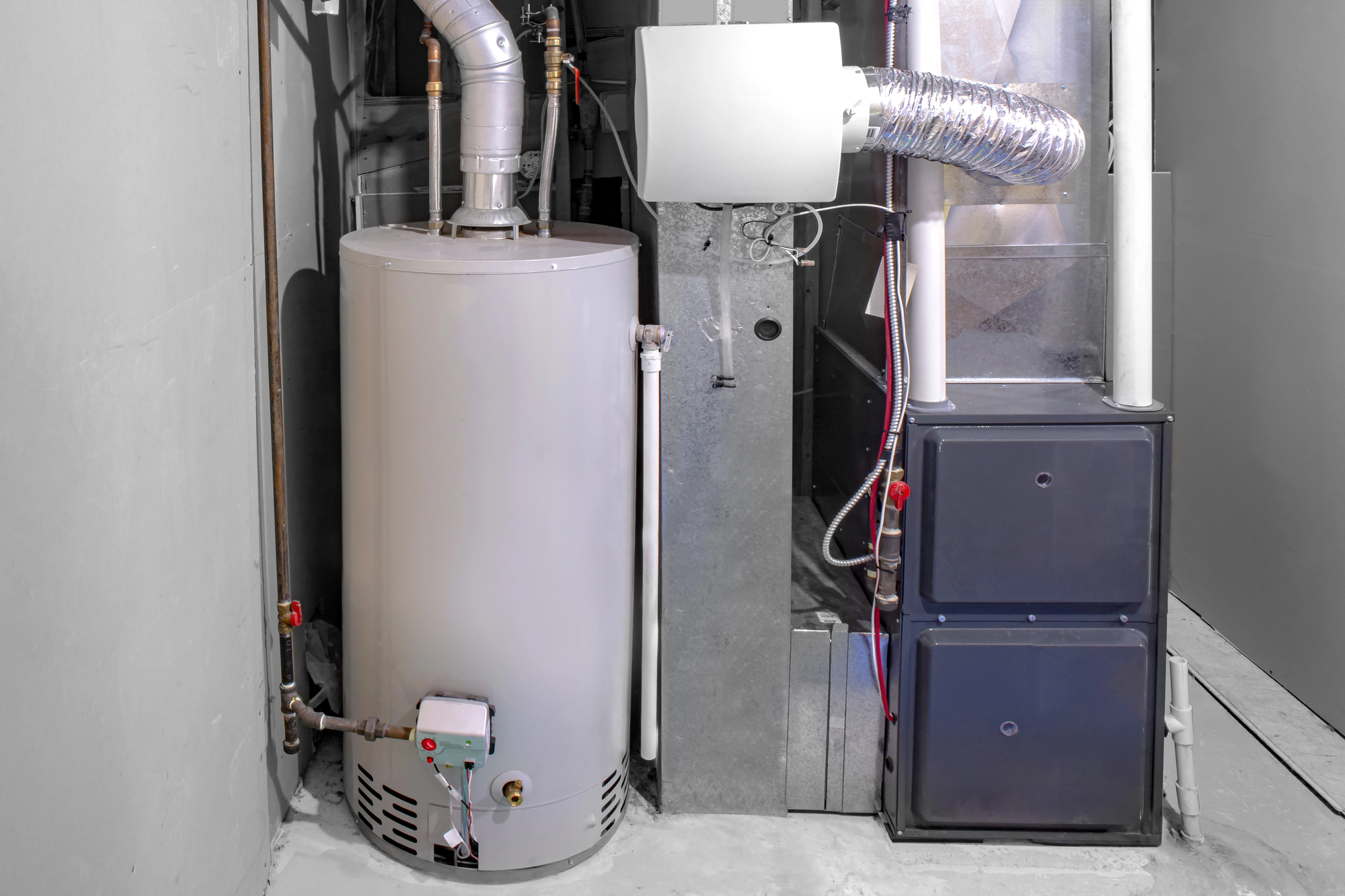
Even with the best equipment, dirt is a furnace’s worst enemy. Regular cleaning reduces strain, enhances efficiency, and helps identify minor issues before they grow.
Components That Need Regular Cleaning
Some furnace parts accumulate debris more quickly than others, including:
- The blower assembly
- The heat exchanger
- The furnace filter
Keeping these areas clean ensures proper airflow and heat transfer.
Step-by-Step Cleaning Guide
Power Off: Always shut off the furnace before cleaning to ensure safety.
Vacuum the Interior: Remove loose dust and debris with a vacuum.
Clean Flame Sensor and Blower Blades: Use gentle tools or brushes to wipe away buildup carefully.
Safety Tips for DIY Cleaning
- Always ensure the furnace is completely powered down.
- Wear gloves and a dust mask.
- Leave complex tasks, like cleaning the heat exchanger, to professionals.
By taking a cautious, step-by-step approach, homeowners can maintain their systems safely and effectively.
Common Maintenance Tasks for Furnace Longevity
Routine maintenance keeps your furnace running like new. Lubricating moving parts, checking belt tension, and ensuring the condensate drain is clear can significantly extend its life. Small, consistent actions reduce wear and prevent surprise breakdowns.
If these tasks seem overwhelming, that’s when professional help becomes invaluable. A technician can perform these checks quickly and accurately, giving homeowners peace of mind.
The Seasonal Maintenance Checklist
A reliable furnace maintenance plan includes:
- Air Filter Replacement: Every three months or as needed.
- Thermostat Inspection: Ensure accuracy and responsiveness.
- Safety Control Testing: Confirm that all safety mechanisms are working correctly.
This checklist helps keep your furnace efficient, safe, and ready for heavy use.
What a Professional Furnace Inspection Entails
A professional inspection is much more than a quick look. Technicians thoroughly examine every component to ensure optimal performance. This includes:
- Checking for cracks or wear in the heat exchanger
- Verifying thermostat function
- Inspecting electrical connections
- Testing safety controls
- Ensuring gas or airflow systems are clear and efficient
The process is designed to identify hidden issues before they cause failure, ensuring reliability when the temperature drops.
How Often Should a Furnace Be Inspected?
Ideally, furnaces should be inspected annually. Doing so before winter allows for necessary adjustments and cleaning before the system is under heavy demand. Preventive inspections can uncover worn parts, airflow issues, or efficiency losses, saving homeowners from emergency service calls later.
Choosing the Right HVAC Service Provider
When it’s time for a professional tune-up, selecting the right service provider makes all the difference. Homeowners should look for certified technicians, transparent pricing, and strong local reputations.
A reliable company will offer detailed explanations, not quick fixes, and see to it that all work meets safety standards. Reading customer reviews and asking for recommendations can help narrow down trustworthy providers.
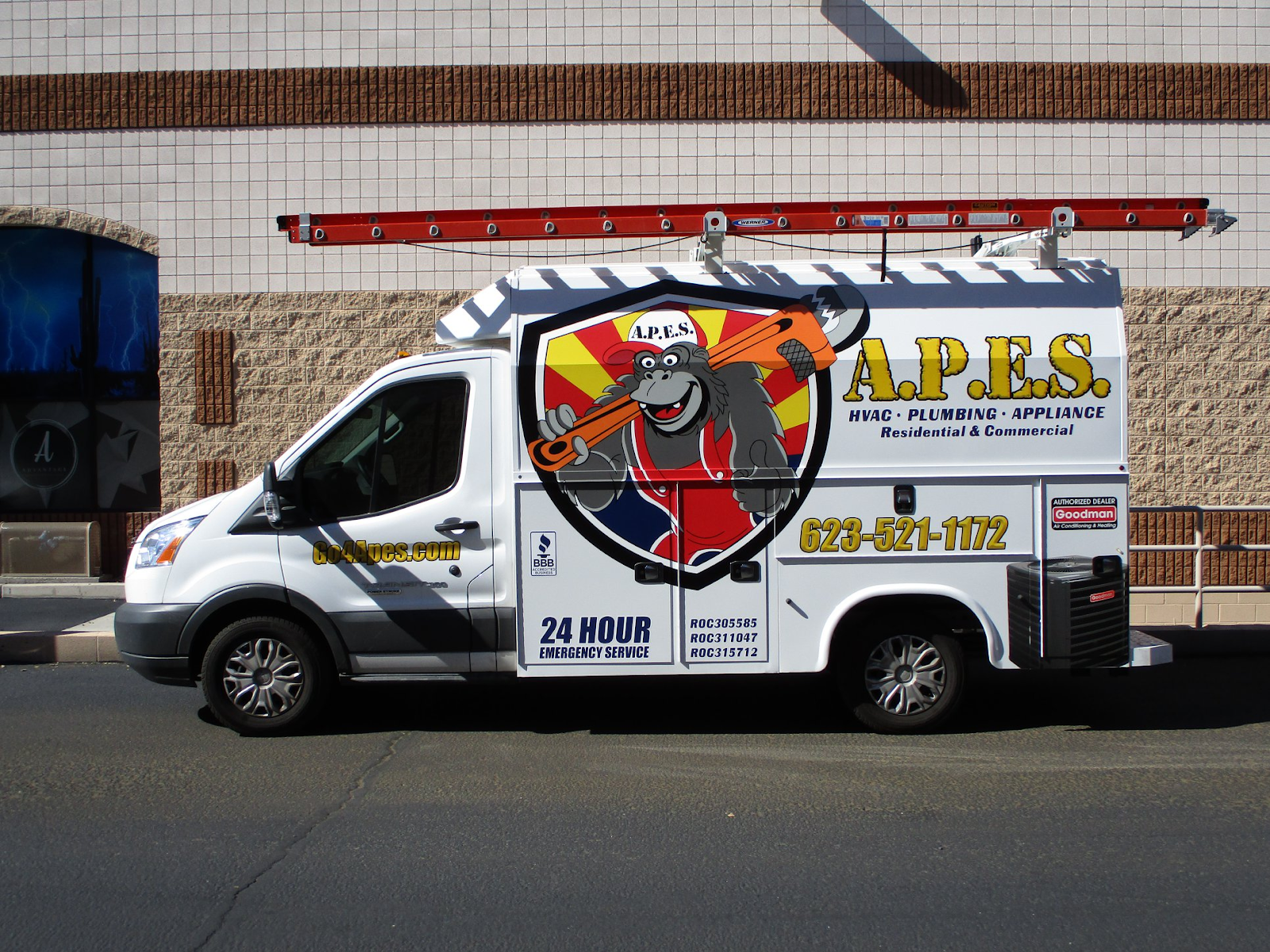
Why Homeowners in Phoenix Trust APES HVAC and Plumbing?
For those in the Phoenix, Arizona area, our team at APES HVAC and Plumbing is known for dependable service and transparent communication. We provide complete heating, cooling, plumbing, and drainage solutions under one roof.
We’re fully licensed and insured, with fast response times, transparent pricing, and a reputation for top-quality service.
For any major heating issues or if the signs your furnace needs a tune-up have become too frequent to ignore, contacting our experienced professionals at APES HVAC and Plumbing can ensure your system is restored safely and quickly.
Staying Ahead of Furnace Troubles
Recognizing the signs your furnace needs a tune-up is about protecting your investment, maintaining efficiency, and keeping your home safe. Whether it’s unusual noises, uneven heating, or higher energy bills, each symptom is your furnace’s way of asking for help.
Regular maintenance, timely repairs, and annual inspections can extend the life of your system and keep it performing at its best year after year. When it’s time for professional service, partnering with a reputable provider ensures your comfort and peace of mind throughout every season.